Resources / Service

Engineering service around the real application.

From application evaluation and sample testing through configuration, pre-delivery checks and practical technical support, PSI works around the product, process and production conditions that matter to the project.

Application First

Start with what has to be printed.

The right service path begins with the real object and production requirement—not a generic service package. Product, material, geometry, process conditions and expected output shape the technical discussion from the beginning.

01

Application Evaluation

Clarify the product, substrate, geometry, production requirement and relevant application conditions before configuration decisions are made.

  • Product / substrate
  • Material
  • Geometry
  • Production requirement
  • Application conditions
  • Feasibility discussion

02

Sample Testing & Validation

Use sample testing to review print results and practical application factors before moving deeper into system configuration.

  • Sample testing
  • Application validation
  • Surface / treatment factors
  • Print result review
  • Pre-configuration evidence

Engineering & Readiness

Turn application findings into a working system.

Configuration is not isolated from the application. Machine setup, fixtures, treatment or process considerations, system integration and pre-delivery verification are coordinated around the intended production conditions.

03

Technical Configuration & Integration

Coordinate machine or system configuration with fixture, treatment, process and integration considerations that affect the real printing application.

04

Before Delivery / FAT

Review configuration and application conditions, then verify production readiness through pre-delivery checks and FAT where applicable.

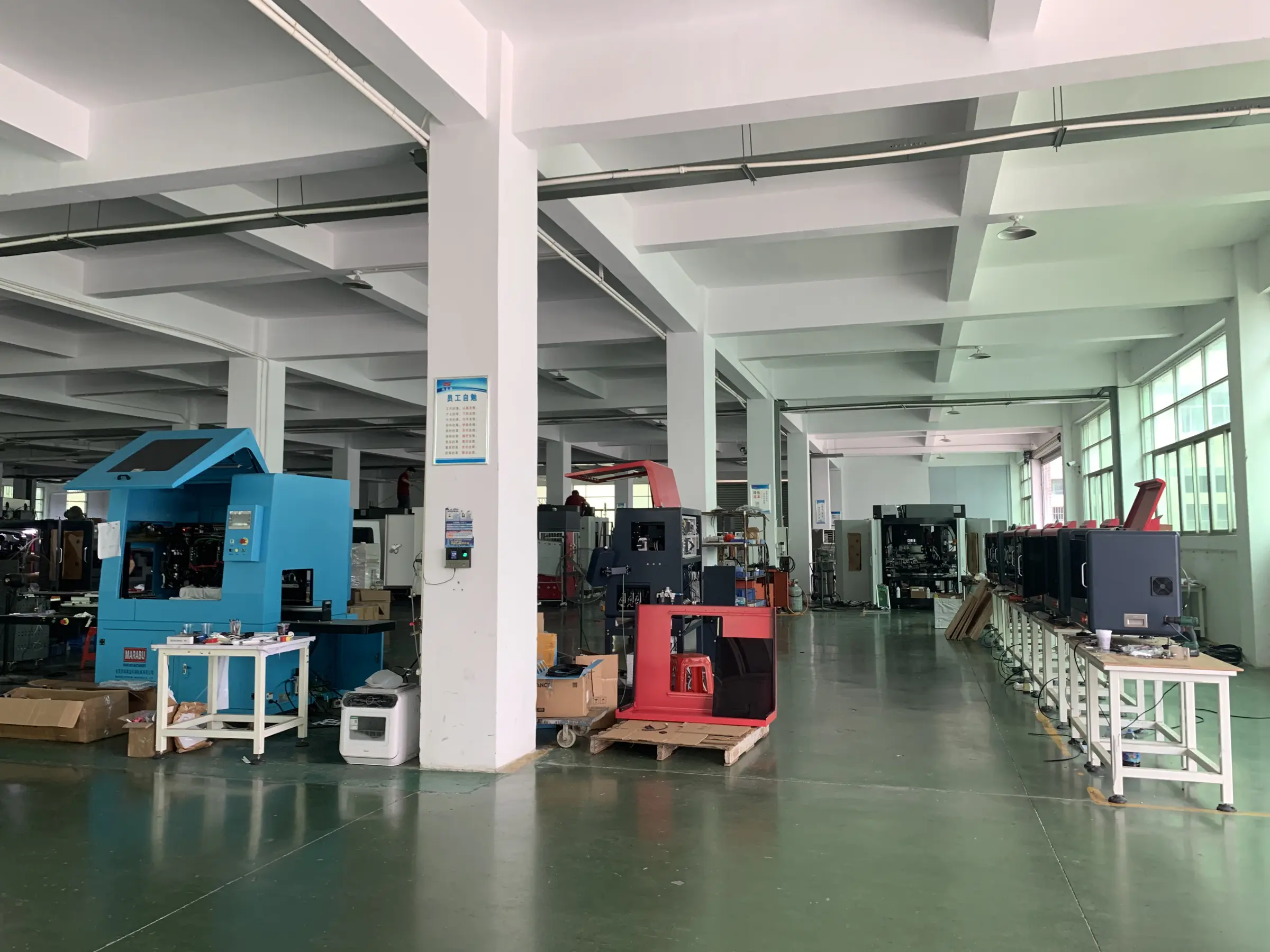
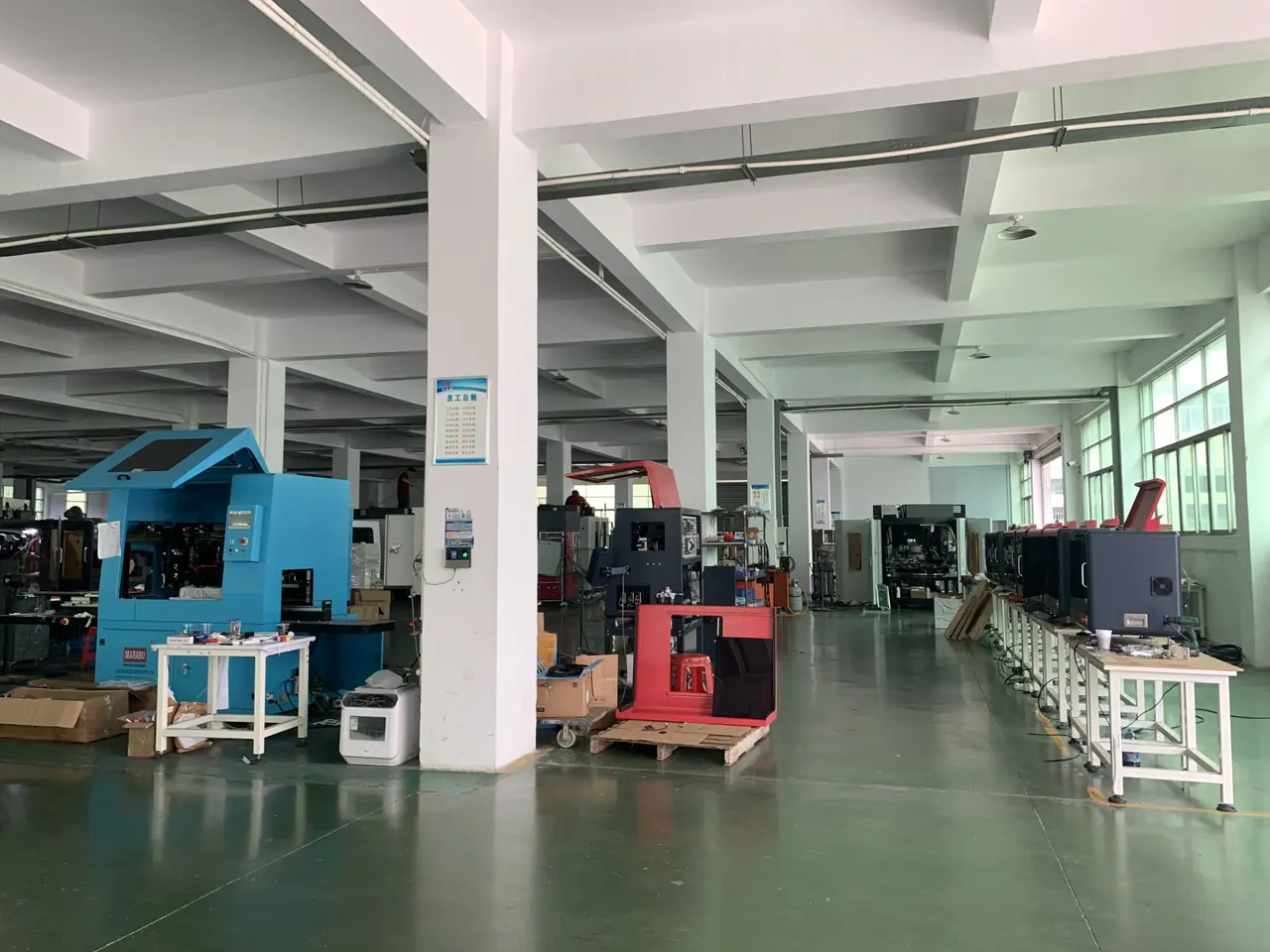
PSI workshop and system integration environment
Workshop / integrationSystem build and engineering context
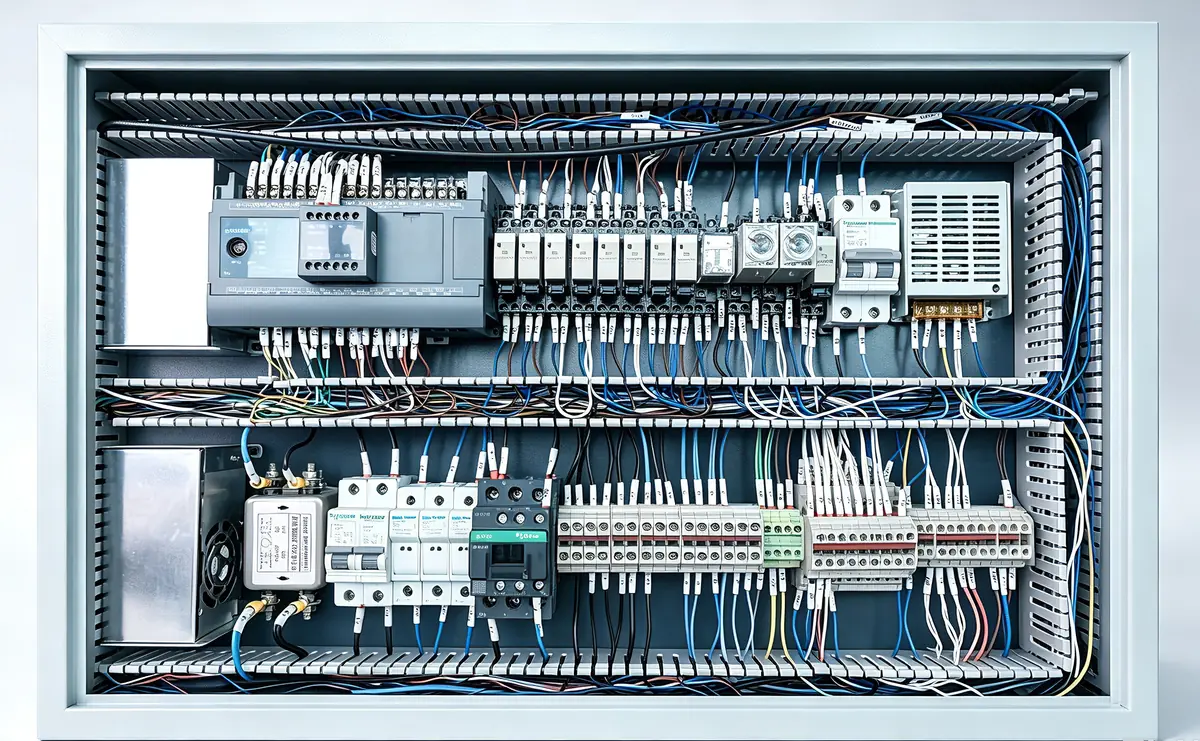
PSI electrical and control integration detail
Control / integration detailReal electrical engineering evidence
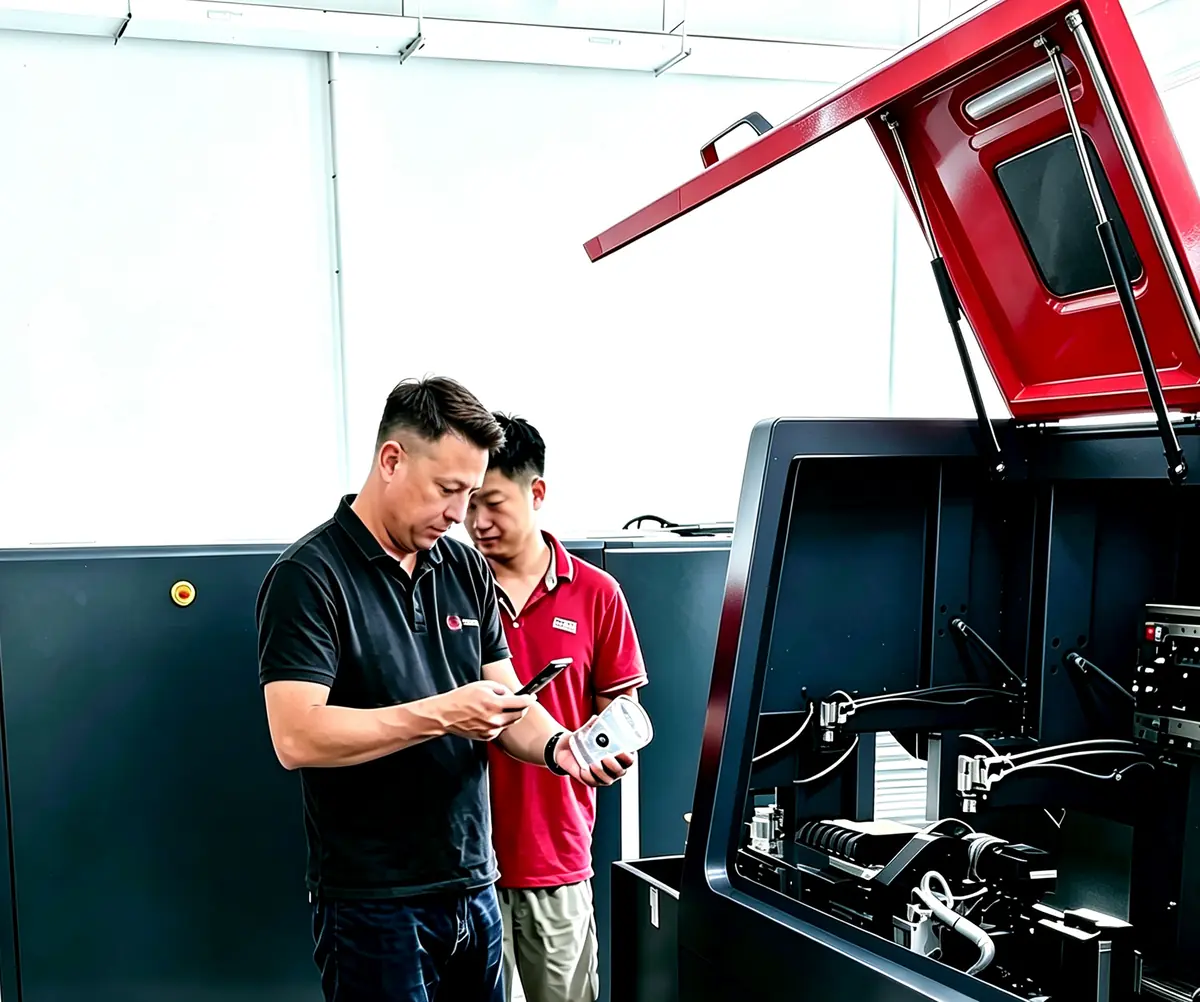
PSI pre-delivery FAT and validation activity
FAT / validationPre-delivery system checking

During Operation

Practical technical support after the system is delivered.

Support during operation focuses on getting started, diagnosing issues, coordinating engineering response and following up on practical application or process questions.

05

Training & Technical Guidance

Operator and technical guidance helps teams get started with the delivered system and respond to practical operating questions.

Guidance: tied to the delivered system, practical operating questions and the actual needs of the project.

06

Remote Assistance & Troubleshooting

Remote technical support can be used for diagnostics, printer debugging, engineer response and troubleshooting coordination when the issue can be assessed remotely.

Escalation: when remote assistance is not sufficient, the next response is coordinated according to the actual issue and project conditions.

07

Ongoing Technical Support

Technical follow-up, issue feedback and engineering response can continue as applications and production conditions evolve.

Improvement: where relevant, application or process improvement can be reviewed against the actual issue and operating conditions.

Remote support context

Start with diagnosis, then decide the next technical action.

Remote diagnosis starts by gathering useful application, machine and process information. From there, PSI coordinates the next engineering response; when remote assistance is not sufficient, the next step is determined according to the issue and project conditions.

Application condition
Review
Machine / process status
Diagnose
Engineer response
Coordinate

Next response follows the issue and project conditions

Tell us what you need to print.

Share the product, material, geometry, production requirement and application conditions. We’ll use that information as the starting point for the technical discussion.